Brown Roofing and Siding A Comprehensive Guide
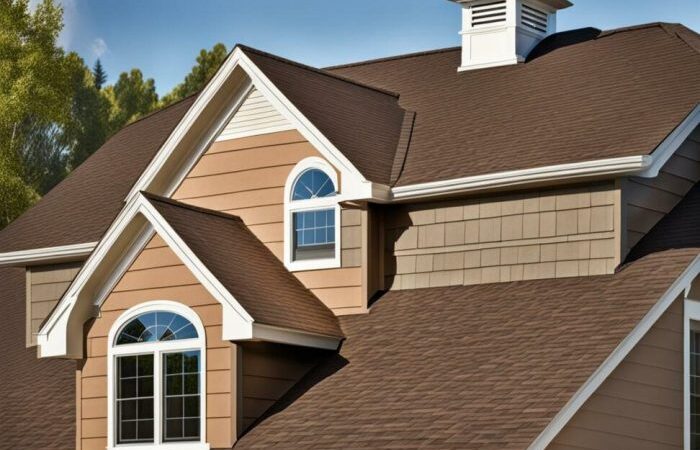
Brown roofing and siding: a classic choice offering warmth and sophistication. This guide dives deep into the world of brown exterior design, exploring various materials, aesthetic considerations, and practical advice for homeowners. We’ll cover everything from selecting the right roofing shingles and siding panels to understanding costs, and maintenance, and even crafting stunning color palettes that complement your brown exterior.
We’ll examine the pros and cons of different brown roofing materials like asphalt shingles, tile, and metal, comparing lifespan, cost, and maintenance needs. Similarly, we’ll explore various brown siding options such as wood, vinyl, fiber cement, and metal, focusing on their unique aesthetic qualities and installation methods. Get ready to learn how to create a beautiful, durable, and stylish home exterior with brown roofing and siding!
Brown Roofing Materials
Source: corleydesigns.com
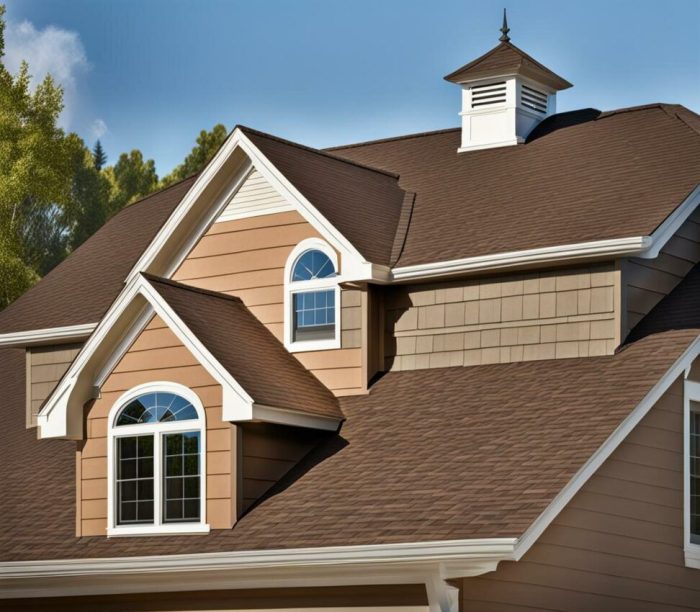
Brown roofing is a popular choice for its versatility and classic appeal, complementing a wide range of architectural styles. Choosing the right brown roofing material depends on factors like budget, climate, and desired lifespan. This section will explore various options, their manufacturing, and environmental considerations.
Types of Brown Roofing Materials
Several materials can be used to create a brown roof, each with its own set of advantages and disadvantages. The most common include asphalt shingles, clay tiles, and metal roofing.
| Roofing Material | Lifespan (Years) | Cost (Approximate per square) | Maintenance Requirements |
|---|---|---|---|
| Asphalt Shingles | 15-30 | $80-$300 | Regular cleaning, occasional repairs |
| Clay Tiles | 50-100+ | $150-$500+ | Minimal, occasional cleaning and repair of broken tiles |
| Metal Roofing (Steel) | 50+ | $200-$800+ | Low, occasional cleaning and inspection for rust |
*Note: Costs are estimates and can vary significantly based on location, material quality, and installation.*
Manufacturing Processes of Brown Roofing Materials
The manufacturing process significantly influences the final product’s properties and environmental impact. Let’s examine three common brown roofing materials.
Asphalt shingles are made by saturating a mat of fiberglass or organic felt with asphalt, and then coating it with mineral granules for weather protection. The granules often contain color pigments, creating a brown hue. The process involves mixing, saturation, coating, and cutting into individual shingles.
Clay tiles are manufactured through a process involving the extraction of clay, its mixing with water, molding into desired shapes, and then firing in a kiln at high temperatures. The firing process hardens the clay, giving the tiles their durability and weather resistance. Brown coloring comes from the natural clay composition or added pigments during the mixing stage.
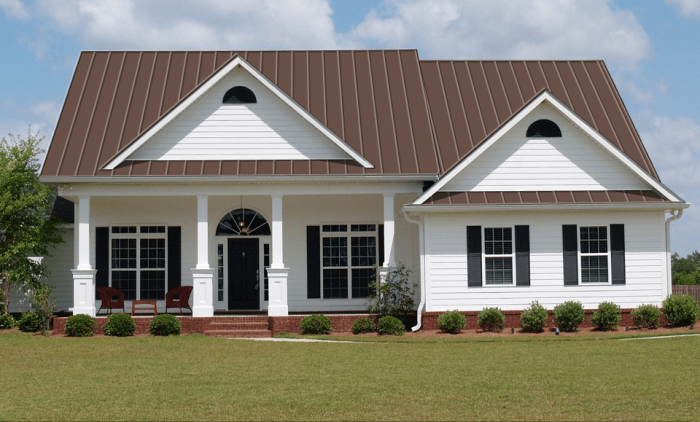
Metal roofing, often made of steel, begins with the production of steel coils. These coils are then coated with protective layers, including zinc (galvanization) for corrosion resistance and a final layer of acrylic or polyester paint for color and additional protection. The colored steel is then cut and formed into panels or tiles for installation. The brown color is achieved through the addition of pigments to the paint layer.
Environmental Impact of Brown Roofing Materials
The environmental impact of roofing materials encompasses production, transportation, installation, and end-of-life disposal.
Asphalt shingles have a relatively lower initial cost but a shorter lifespan, leading to more frequent replacements and increased waste generation. The production process uses energy and generates emissions. Disposal can contribute to landfill waste.
Clay tiles boast a long lifespan, reducing the frequency of replacements. However, their production is energy-intensive due to the high temperatures required for firing. Transportation can also be costly due to their weight. While they are durable and recyclable, the recycling infrastructure is not always readily available.
Metal roofing offers a long lifespan and potential for recycling at the end of its life. However, the initial production of steel involves significant energy consumption and greenhouse gas emissions. The use of protective coatings and paints can also impact the environment. Proper disposal and recycling are crucial to minimize its environmental footprint.
Brown Siding Options
Choosing the right siding for your home is a big decision, impacting both its aesthetic appeal and long-term durability. Brown siding offers a classic and versatile look, complementing many architectural styles. Let’s explore the various options available.
Several materials can achieve a beautiful brown siding finish, each with unique characteristics. The best choice depends on your budget, desired maintenance level, and the overall style of your home.
Brown Siding Material Overview, Brown roofing and siding
Here’s a summary of common brown siding materials, highlighting their pros and cons:
- Wood Siding: Offers a natural, warm aesthetic. Many wood types can be stained or painted brown.
- Pros: Beautiful natural look, can be customized with stains and paints, relatively easy to repair.
- Cons: High maintenance (requires regular painting or staining), susceptible to rot, insect damage, and fire, higher initial cost.
- Vinyl Siding: A popular choice for its affordability and low maintenance. Many manufacturers offer various shades of brown.
- Pros: Low maintenance, affordable, durable, and comes in various colors and textures.
- Cons: Can fade over time, less durable than other options, may not be as aesthetically pleasing as natural materials.
- Fiber Cement Siding: A durable and fire-resistant option, offering a range of textures and colors including browns.
- Pros: Durable, fire-resistant, low maintenance, resists insects and rot, realistic wood-like textures available.
- Cons: More expensive than vinyl, can be brittle and prone to cracking if mishandled during installation, heavier than vinyl, requires professional installation.
- Metal Siding (Steel or Aluminum): Offers exceptional durability and longevity. Brown powder-coated finishes are common.
- Pros: Extremely durable, long-lasting, fire-resistant, low maintenance, resists pests and rot.
- Cons: Can dent, susceptible to scratches, higher initial cost, can be noisy in rain or hail, may require professional installation.
Vinyl and Fiber Cement Siding Installation
Let’s briefly examine the installation of two popular brown siding options: vinyl and fiber cement.
Vinyl Siding Installation: Vinyl siding is typically installed horizontally over existing sheathing. It involves nailing the siding panels to furring strips, leaving expansion gaps for temperature fluctuations. Tools required include a measuring tape, circular saw, hammer, nail gun (optional but recommended), and safety glasses. Always follow the manufacturer’s instructions. Proper ventilation behind the siding is crucial to prevent moisture buildup.
Fiber Cement Siding Installation: Fiber cement siding installation is more complex and often requires professional expertise. Panels are typically nailed or screwed to the sheathing, requiring precise measurements and cuts. Tools include measuring tape, a circular saw with a carbide-tipped blade (for clean cuts), a drill, an impact driver, and safety equipment (including gloves, eye protection, and a dust mask due to the potential for airborne particles). The weight of fiber cement requires extra care during handling and installation. Cutting fiber cement can also produce fine dust, which is why a dust mask is essential. Again, always follow the manufacturer’s instructions and safety precautions.
Color Combinations and Design: Brown Roofing And Siding
Choosing the right color palette for your home’s exterior, especially when using brown roofing and siding, can significantly impact its curb appeal and overall aesthetic. The interplay of colors creates a visual harmony that either enhances or detracts from the home’s architectural style. Careful consideration of trim, window, and door colors is crucial for achieving a cohesive and pleasing look.
Brown Roofing and Siding Color Schemes
Here are three distinct color schemes that beautifully complement brown roofing and siding, showcasing the versatility of this classic combination. These schemes offer a range of styles, from traditional to modern.
| Scheme | Siding Color | Roof Color | Trim, Window, & Door Color |
|---|---|---|---|
| Traditional Charm | Medium Brown Wood Siding | Dark Brown Asphalt Shingles | Creamy White |
| Modern Rustic | Light Brown Fiber Cement Siding | Medium Brown Clay Tile | Deep Gray |
| Warm Contemporary | Dark Brown Stone Veneer | Light Brown Wood Shake Shingles | Warm Beige |
Impact of Brown Shade Variations
The shade of brown used for roofing and siding dramatically alters a home’s visual perception. Light brown evokes a sense of warmth and airiness, making the house appear more inviting and less imposing. A house with light brown siding and roofing might feel more open and casual, suitable for a relaxed, countryside aesthetic. Medium brown offers a balanced approach, blending well with various architectural styles and creating a classic, timeless look. It provides a sense of stability and sophistication without being overly dramatic. Dark brown, on the other hand, projects a feeling of strength and formality. A house with dark brown roofing and siding can appear more stately and substantial, particularly when complemented by lighter-colored trim. The darker tones can also make the house feel more grounded and connected to the earth.
House Design with Light and Shadow
Imagine a house with medium brown clapboard siding and dark brown asphalt shingles. The afternoon sun casts long shadows across the siding, highlighting the texture of the wood. The darker roof absorbs much of the sunlight, creating a stark contrast with the lighter areas of the siding bathed in sunlight. These shadows create depth and visual interest, accentuating the architectural details such as window frames and eaves. The windows, painted a crisp white, reflect the sunlight, adding bright spots that counterbalance the darker areas. The overall effect is a dynamic interplay of light and shadow that enhances the home’s three-dimensionality and visual appeal. The front porch, shaded by the overhanging roof, provides a cool and inviting space, further emphasizing the play of light and shadow. The landscaping, with strategically placed shrubs and trees, adds to the shadow patterns, enriching the overall visual composition.
Maintenance and Repair
Source: Squarespace-cdn.com
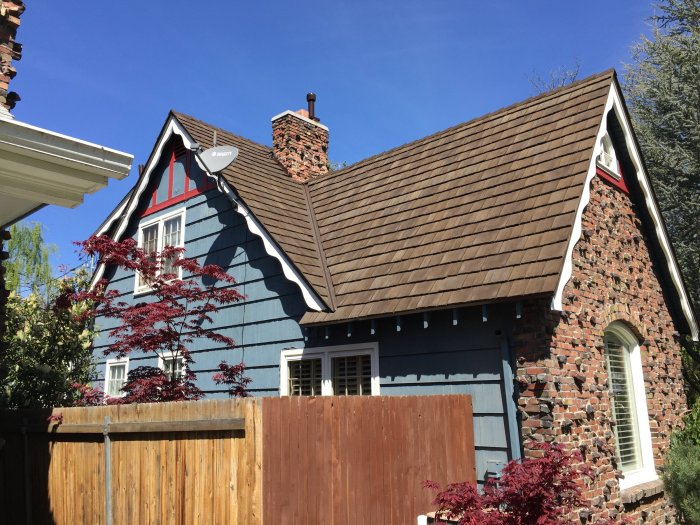
Keeping your brown roofing and siding in top condition involves a proactive approach to maintenance and timely repairs. Regular upkeep not only enhances the aesthetic appeal of your home but also significantly extends the lifespan of these crucial exterior elements, saving you money on costly replacements down the line. Neglecting maintenance can lead to premature wear and tear, allowing water damage and other problems to take hold.
Regular maintenance of your brown roofing and siding is crucial for preserving its beauty and structural integrity. A well-maintained exterior protects your home from the elements and adds to its overall value. This section Artikels a schedule and practical tips to help you keep your home’s exterior looking its best.
Routine Maintenance Schedule
A consistent maintenance schedule is your best defense against costly repairs. This schedule combines regular cleaning, thorough inspections, and prompt repairs to address any issues before they escalate.
- Annual Inspection (Spring/Fall): Conduct a thorough visual inspection of your roof and siding, checking for missing or damaged shingles, loose siding, cracks, or signs of water damage. Pay close attention to areas prone to moisture buildup, such as valleys on the roof and areas around windows and doors.
- Spring Cleaning: Remove debris, such as leaves, twigs, and accumulated dirt, from your roof and siding using a soft-bristled brush or a leaf blower. For stubborn dirt, a gentle pressure washer can be effective but use caution to avoid damaging the siding. Always protect landscaping and nearby windows during cleaning.
- Moss and Algae Removal (As Needed): Moss and algae can accumulate on brown roofing and siding, particularly in damp climates. Regularly scrub these away using a solution of water and a mild detergent, followed by thorough rinsing. For persistent growth, consider a specialized moss and algae remover, following product instructions carefully.
- Gutter Cleaning (Twice Yearly): Clean your gutters and downspouts to prevent water from accumulating and causing damage to your roof and siding. Clogged gutters can lead to ice dams in winter and water damage in all seasons.
- Repair Minor Damage Promptly: Address any minor damage, such as replacing a few damaged shingles or loose siding panels, as soon as it is noticed. This prevents small problems from becoming larger, more expensive issues.
Preventing Common Problems
Proactive measures can significantly reduce the likelihood of common issues affecting brown roofing and siding.
- Moss Growth Prevention: Regular cleaning and the use of zinc or copper strips on the roof can deter moss growth. Proper ventilation in the attic also helps prevent moisture buildup, which encourages moss growth.
- Water Damage Prevention: Ensure proper grading around your foundation to direct water away from the house. Regularly inspect and maintain your gutters and downspouts to prevent water damage. Promptly repair any leaks in your roof or siding.
- Fading Prevention: While some fading is inevitable, using high-quality, UV-resistant paints or stains can help to slow down the process. Regular cleaning helps remove dirt and debris that can accelerate fading. Consider using protective coatings to further enhance the longevity of the color.
Repairing Minor Damage
Addressing minor damage promptly can save you significant eexpensesand hassle down the line.
Replacing a damaged shingle involves carefully removing the damaged shingle, ensuring that the underlying layers are intact. A new shingle is then installed, matching the existing ones as closely as possible, and secured with appropriate nails. For siding repair, the damaged panel is carefully removed, taking care not to damage surrounding panels. A new panel, matching the existing siding, is installed and secured according to the manufacturer’s instructions. Always refer to the manufacturer’s instructions for specific details and recommendations. For more extensive damage, consult a professional roofing or siding contractor.
Cost Considerations
Source: hansonmetalcompany.com
Choosing brown roofing and siding can significantly enhance your home’s curb appeal, but the overall cost is a crucial factor to consider before starting the project. This section breaks down the expenses involved, offering insights into how various elements influence the final price and suggesting ways to potentially save money.
Cost Breakdown of Brown Roofing and Siding Installation
The total cost of installing brown roofing and siding is a sum of several key components. These costs can vary greatly depending on your location, the size of your house, and the materials you choose. The following table provides a general estimate; always get personalized quotes from multiple contractors for accurate pricing.
| Cost Category | Estimated Cost Range | Factors Influencing Cost |
|---|---|---|
| Materials (Roofing & Siding) | $5,000 – $20,000+ | Type of roofing (e.g., asphalt shingles, metal, tile), siding material (e.g., vinyl, wood, fiber cement), quality, and quantity needed. Brown materials may have slightly higher or lower costs depending on availability and demand. |
| Labor | $5,000 – $15,000+ | The complexity of the roof and siding design, the size of the house, the contractor’s labor rates, and the project’s duration. |
| Permits and Inspections | $500 – $2,000 | Local building codes and regulations; the number of inspections required. |
| Waste Removal | $200 – $1,000 | Amount of material removed and local disposal fees. |
| Contingency (Unexpected Costs) | 5-10% of total estimated cost | Unforeseen issues during installation (e.g., damaged materials, unexpected repairs). |
Influence of Material Choice, House Size, and Location
The cost of your brown roofing and siding project is directly influenced by several key factors. For instance, choosing high-end cedar shake siding will be considerably more expensive than vinyl siding. Similarly, a large two-story home will naturally require more materials and labor than a smaller ranch-style house. Geographic location also plays a significant role; labor rates and material costs can vary widely between regions. For example, a project in a densely populated urban area might be more expensive due to higher labor costs compared to a rural location.
Cost-Saving Strategies
Several strategies can help homeowners reduce the overall cost of their brown roofing and siding projects. Careful planning and research are key.
Choosing more affordable materials, such as vinyl siding instead of wood or fiber cement, can significantly lower material costs. Negotiating with multiple contractors to secure competitive bids is also crucial. Exploring options for DIY tasks, such as demolition or cleanup, under careful supervision and with safety precautions, can potentially reduce labor costs. Finally, timing your project strategically—avoiding peak seasons when demand is high—can sometimes lead to better pricing from contractors.
Last Word
Source: civilgang.com
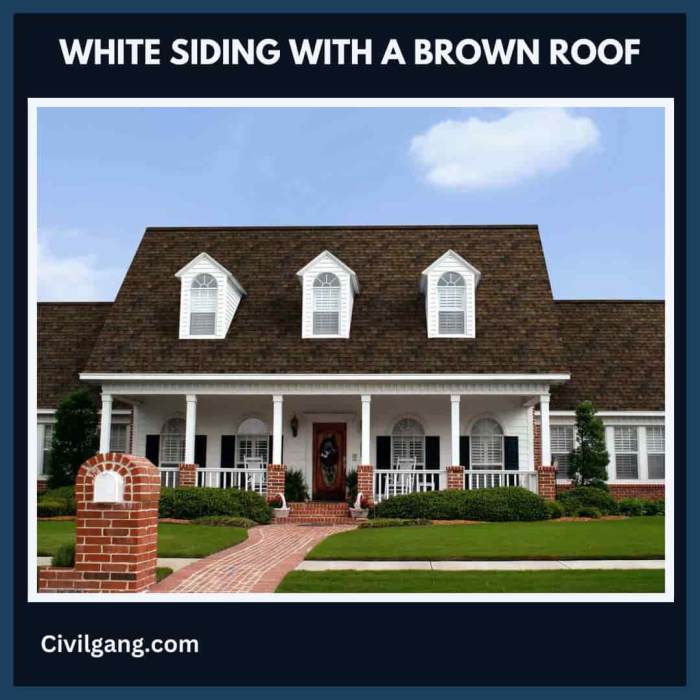
Choosing brown roofing and siding opens up a world of design possibilities, allowing you to create a home that’s both aesthetically pleasing and structurally sound. By carefully considering the material choices, color combinations, and maintenance requirements, you can ensure your home remains beautiful and protected for years to come. Remember to weigh the pros and cons of each material, factoring in your budget and personal style to achieve the perfect blend of functionality and visual appeal. Now, go forth and create your dream home!
Commonly Asked Questions
How often should I clean my brown roof and siding?
Ideally, clean your roof and siding at least twice a year, more often if you live in a particularly humid or mossy climate.
Can I paint the brown siding a different color?
Yes, but ensure the paint is specifically designed for the type of siding you have (wood, vinyl, etc.) and properly prepare the surface before painting.
What are the signs of roof damage I should watch out for?
Look for missing or damaged shingles, leaks, sagging, moss growth, or discoloration. Addressing these promptly prevents larger, more costly repairs.
How long does brown siding typically last?
Lifespan varies greatly depending on the material. Vinyl siding can last 20-30 years, while wood siding might need replacing sooner, depending on maintenance.
Are there any specific warranties for brown roofing and siding materials?
Yes, many manufacturers offer warranties on their products. Check the specifics with your supplier before making a purchase.
Comments are closed.